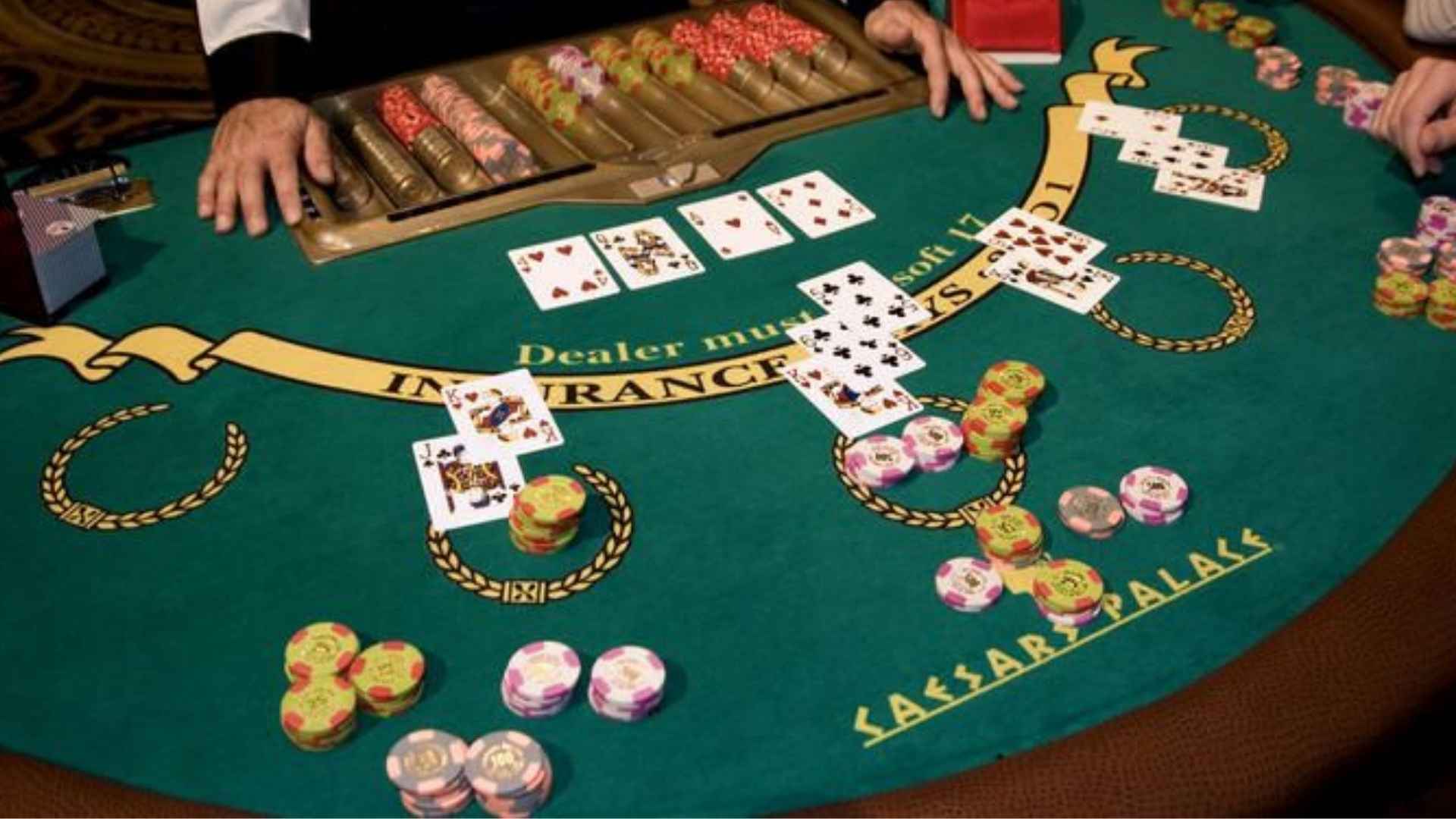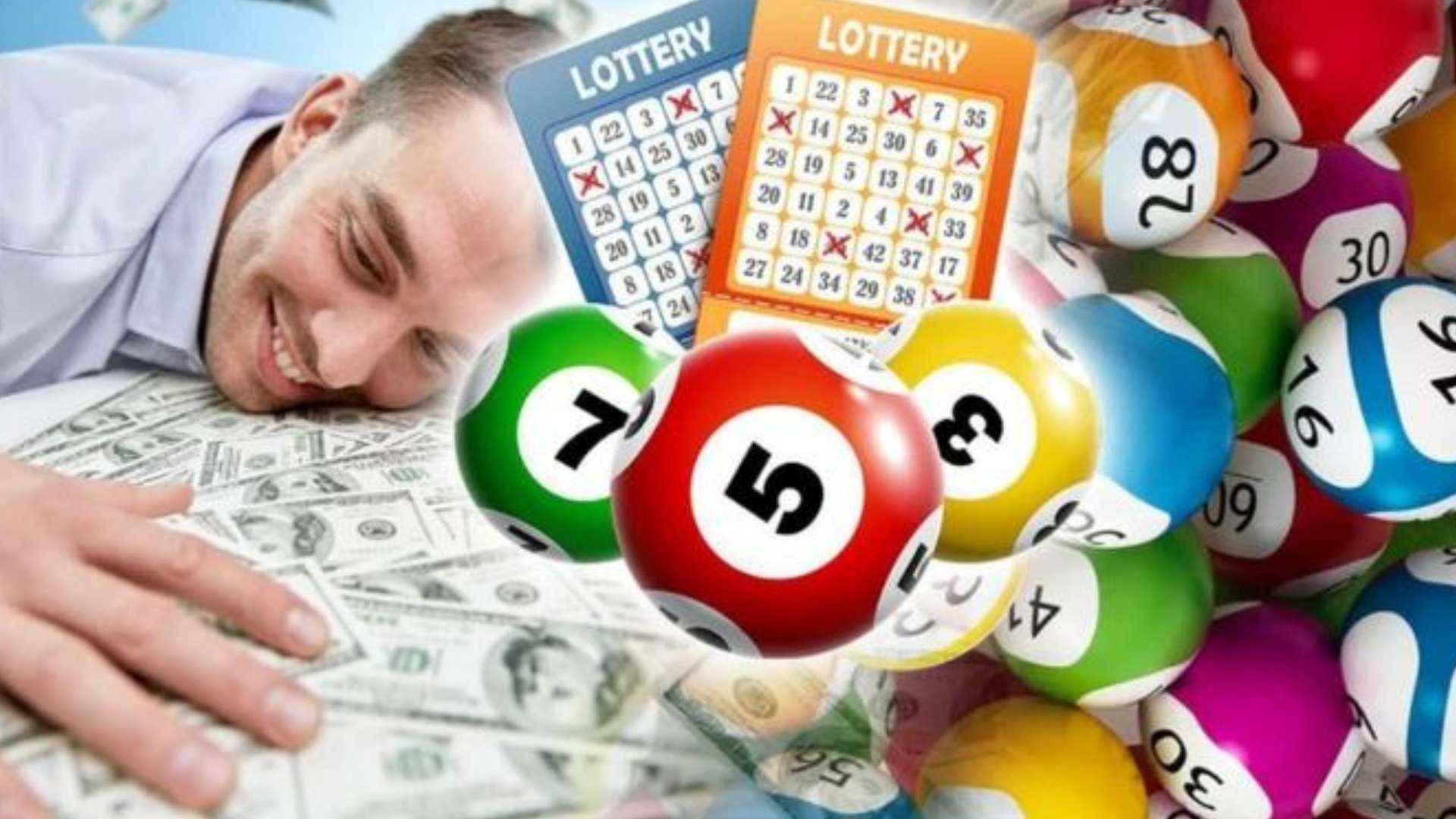
Modern gaming has undergone a massive transformation, moving from rigid, predictable mechanics to dynamic environments driven by unexpected outcomes. At the heart of this shift is the concept of random selection, a design principle that injects excitement and replayability into digital entertainment. By introducing elements of pure chance, developers can ensure that no two playthroughs feel exactly the same for participants.
The Appeal of Unpredictable Gameplay
Human psychology is naturally drawn to the thrill of the unknown, making unpredictability a powerful tool for engagement. When players face uncertain variables, their brains process the experience with heightened focus and anticipation. This emotional rollercoaster transforms simple interactive tasks into deeply memorable events that keep audiences coming back.
Furthermore, games that rely heavily on fixed patterns can quickly become repetitive and lose their initial charm. Introducing a randomized mechanism breaks the monotony, offering a fresh layer of challenge that demands adaptability. Players must constantly rethink their strategies, creating a more lively and active competitive atmosphere.
Leveling the Playing Field for All Players
One of the greatest benefits of implementing chance-based mechanics is the democratization of the gaming experience. In purely skill-based environments, veteran users often dominate completely, which can discourage newcomers from participating. Random elements help bridge this skill gap, giving everyone a fair opportunity to achieve victory or earn rewards.
This balancing act is particularly visible in casual multiplayer titles and online promotional features. For instance, platforms like 中環m88 utilize random systems to ensure absolute transparency and fair distribution during interactive draws. When people trust that the selection process is completely unbiased, they feel much more comfortable participating in group activities.
How Procedural Generation Drives Longevity
Beyond simple prize draws, randomness serves as a foundational building block for modern game architecture through procedural generation. Instead of hand-crafting every single level or map, developers use algorithmic chance to build expansive, evolving worlds on the fly. This innovative approach allows small development teams to create massive amounts of sustainable content without burning out.
Players thoroughly enjoy exploring these randomized terrains because it reinstates a genuine sense of discovery. Knowing that a hidden cave or a rare item placement is determined by chance makes exploration feel like a unique personal adventure. This deep level of variety explains why roguelikes and survival games remain incredibly popular across global communities.
The Strategic Integration of Risk and Reward
Successful game designers understand that pure luck can become frustrating if it is not balanced by calculated decision-making. The most engaging modern titles blend random selection with strategic choices, forcing players to manage risks effectively. This combination creates a sophisticated gameplay loop where adapting to unpredictable situations is the ultimate skill.
Ultimately, random selection has evolved from a simple mechanical gimmick into a sophisticated pillar of digital entertainment design. It provides the necessary suspense, equity, and variety that modern audiences expect from high-quality interactive media. As technology continues to advance, automated chance will undoubtedly find even more creative applications in future gaming landscapes.